PAULA STREIT
PORTFOLIO
Hello, nice to meet you!
To fully enjoy my portfolio, please switch to a larger screen

MAGAZINE
OUTPUT
university project 2
HIGHLIGHTS
Brand identity, editorial design,
design thinking process, AI image generation
TIME FRAME
Semester 7
TOOLS
FIGMA, ADOBE INDESIGN, ILLUSTRATOR, PHOTOSHOP,
midjourney, krea, CHATGPT
SUPERVISOR
PROF. JÜRGEN GRAEF
“WHAT IMPACT IS ARTIFICIAL INTELLIGENCE HAVING ON THE FASHION INDUSTRY?”
Context
The idea for CREAIT magazine came from a personal observation. While studying media design, I became increasingly aware of the influence of AI on creative processes. At the same time, I began to wonder what impact this development would have on the fashion industry, particularly from my perspective as a former fashion designer.
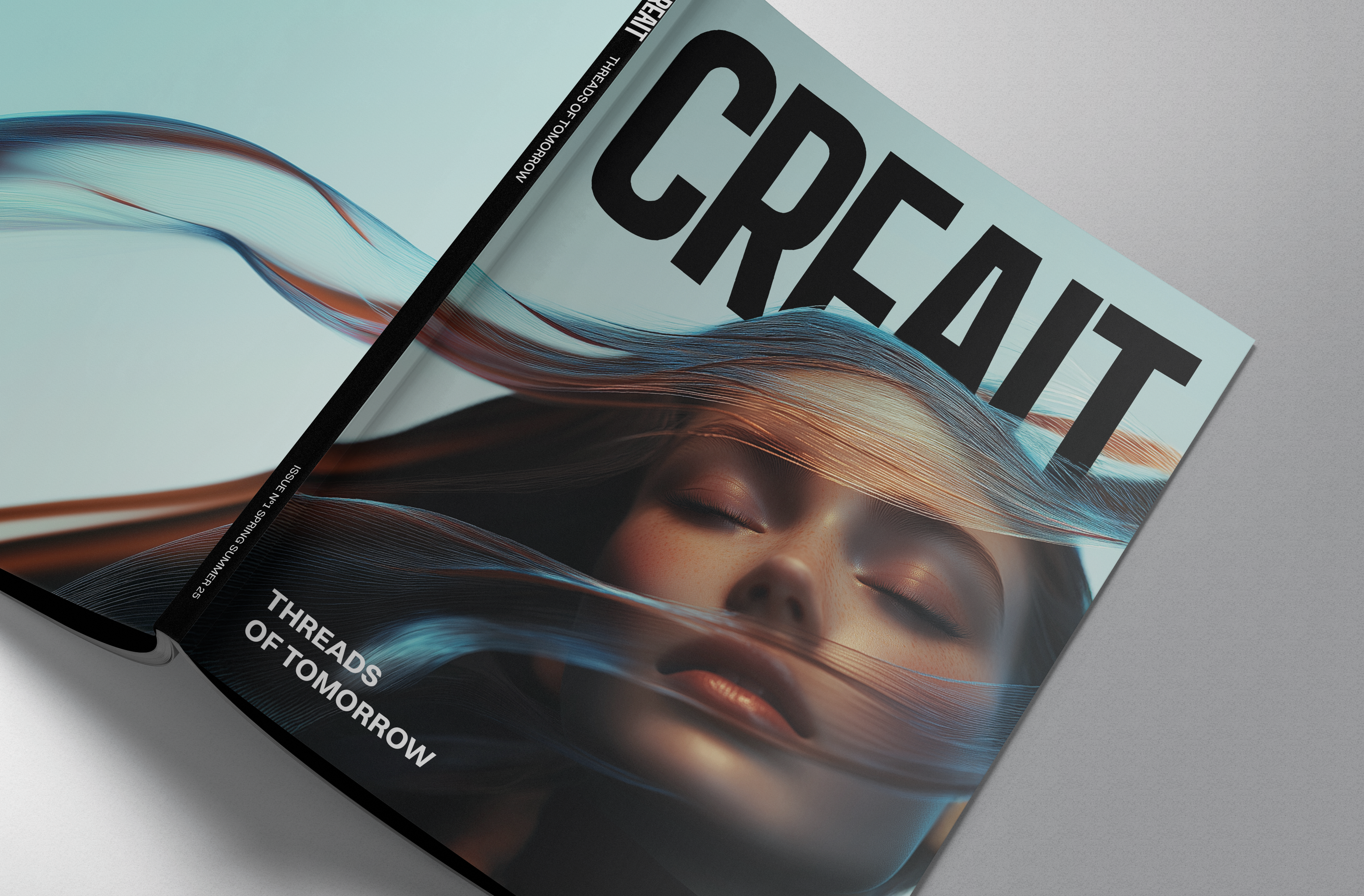
It was at this intersection that the idea for CREAIT magazine emerged: a curated knowledge platform for designers, students and industry professionals. The aim is to provide designers, students, and industry professionals with a medium that documents, contextualises, and reflects upon this transformation. Published twice a year (spring/summer and autumn/winter), CREAIT is a limited-edition print magazine that deliberately creates space for in-depth content which transcends fast-moving trends.
Problem
Although there are numerous articles on the topic of 'AI in fashion', research has shown that these are often superficial, trend-driven or technology-focused. There is a lack of high-quality media critically examining the complex changes within the industry and presenting them in an engaging visual way.
Designers, in particular, often feel uncertain about working with AI, as questions about authorship, creative control, and the role of craftsmanship frequently remain unanswered. In this context, the fear of deskilling is becoming increasingly relevant, as there is a concern that the growing reliance on generative systems could lead to a loss of the essential skills that have traditionally defined fashion design.
Disciplines such as tailoring and craftsmanship, which are deeply rooted in precision, material understanding and embodied knowledge, risk being devalued or displaced in particular. This creates a tension between technological innovation and the preservation of tradition. There is a need for a platform that addresses these issues, offers guidance, and critically reflects on how digital processes can coexist with, rather than replace, fashion's cultural and material heritage.
Process
The project was developed on a strong, research-driven foundation in order to gain a thorough understanding of the needs of the target group and build upon them. To this end, various methods from the design thinking toolkit were employed, including target group analysis, competitor analysis, and SWOT analysis. These tools helped identify gaps in the existing media landscape and improve understanding of the intended audience's expectations, motivations and concerns.
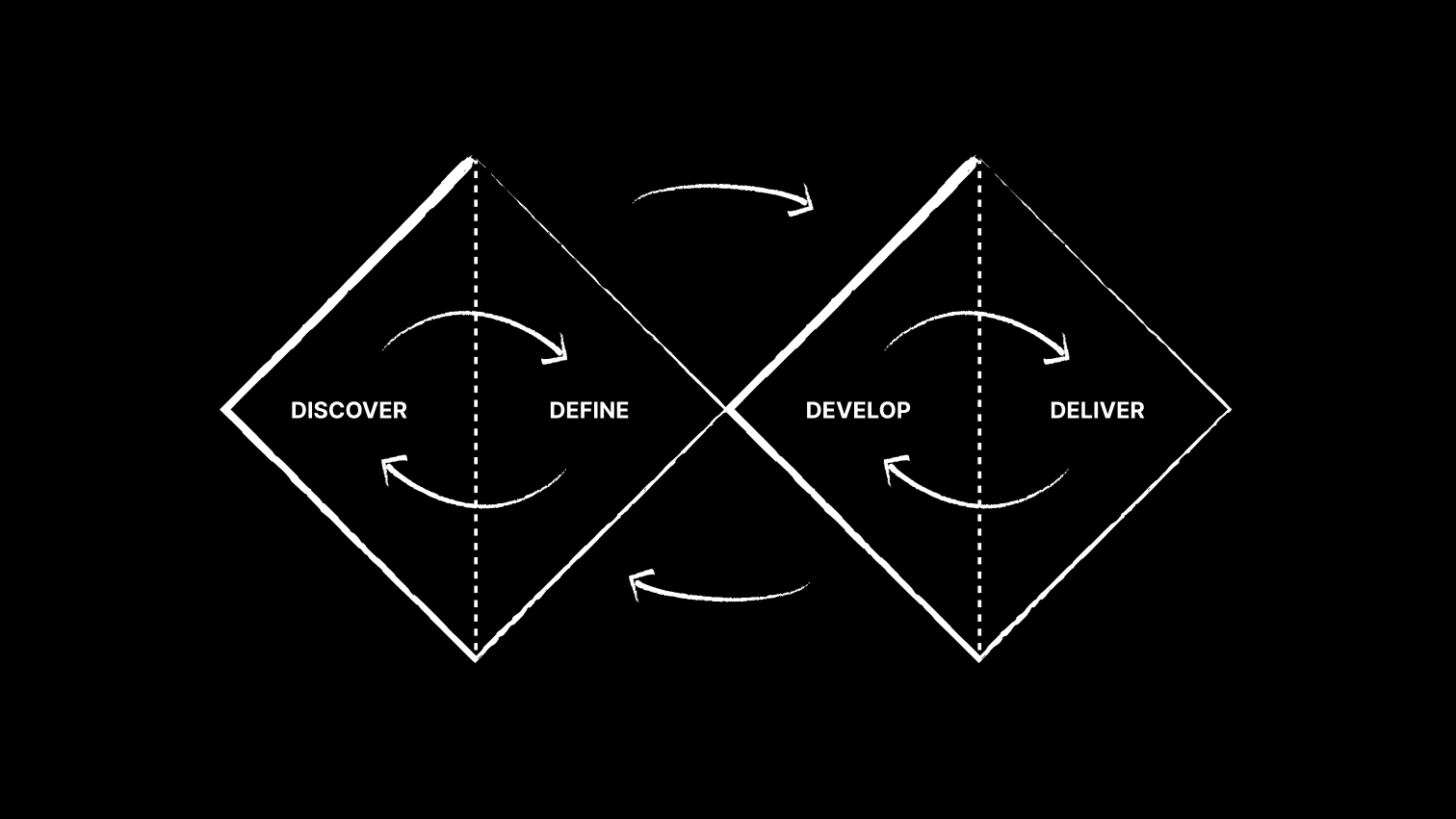
The Double Diamond model was employed in the editorial workflow.
Discover: Researching subject areas, sources, and relevant questions relating to AI and fashion;
Define: Structuring and defining specific articles and chapters
Develop: Drafting content and generating suitable imagery using AI
Deliver: Integration of finished content into consistent editorial designs and magazine layouts.
This process can be illustrated by the Trends chapter. In the Discover phase, the five most relevant fashion trends of the season were researched with the support of AI. These insights were then refined and curated in the 'Define' phase. In the development phase, editorial texts were written and corresponding visuals were generated using AI tools such as Midjourney. In the final Deliver phase, all elements were composed into a cohesive layout within the magazine.
Outcome
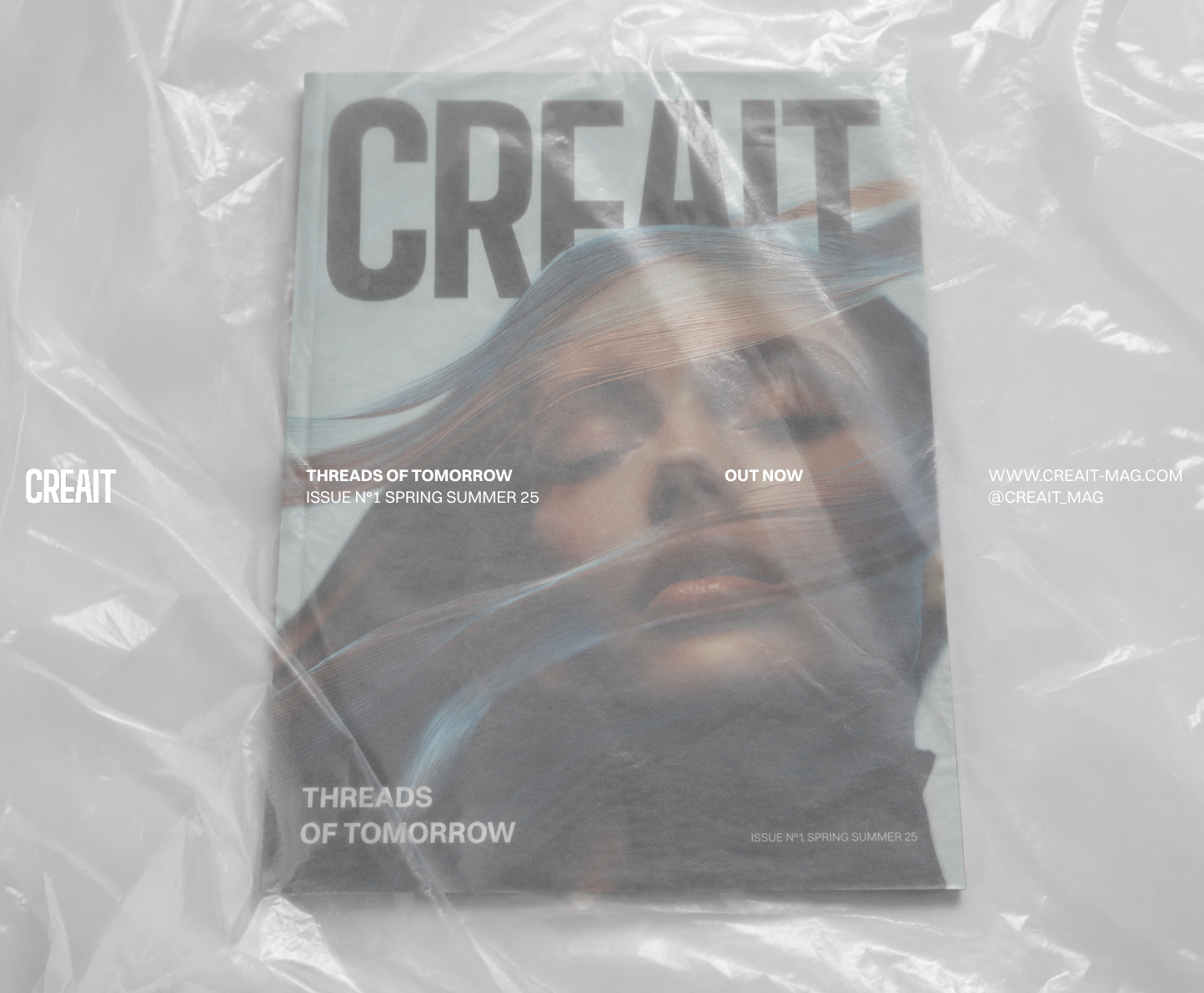
The result is a high-quality print magazine with a strong visual impact, which uses AI not merely as a tool, but as a platform for discourse. “CREAIT” combines in-depth research, critical analysis and experimental imagery to create a distinctive publication.
The combination of curated content, AI-generated visuals and a clear editorial design creates a medium that informs and inspires. Thanks to its limited publication frequency, each issue is positioned as a standalone contribution to the current discourse.
The magazine thus serves not only as a source of information, but also as a guide for designers seeking to reposition themselves at the intersection of technology and creativity.
MAGAZINE
OUTPUT
university project 2
HIGHLIGHTS
Brand identity, editorial design,
design thinking process, AI image generation
TIME FRAME
Semester 7
TOOLS
FIGMA, ADOBE INDESIGN, ILLUSTRATOR, PHOTOSHOP,
midjourney, krea, CHATGPT
SUPERVISOR
PROF. JÜRGEN GRAEF
“WHAT IMPACT IS ARTIFICIAL INTELLIGENCE HAVING ON THE FASHION INDUSTRY?”
Context
The idea for CREAIT magazine came from a personal observation. While studying media design, I became increasingly aware of the influence of AI on creative processes. At the same time, I began to wonder what impact this development would have on the fashion industry, particularly from my perspective as a former fashion designer.
It was at this intersection that the idea for CREAIT magazine emerged: a curated knowledge platform for designers, students and industry professionals. The aim is to provide designers, students, and industry professionals with a medium that documents, contextualises, and reflects upon this transformation. Published twice a year (spring/summer and autumn/winter), CREAIT is a limited-edition print magazine that deliberately creates space for in-depth content which transcends fast-moving trends.
Problem
Although there are numerous articles on the topic of 'AI in fashion', research has shown that these are often superficial, trend-driven or technology-focused. There is a lack of high-quality media critically examining the complex changes within the industry and presenting them in an engaging visual way.
Designers, in particular, often feel uncertain about working with AI, as questions about authorship, creative control, and the role of craftsmanship frequently remain unanswered. In this context, the fear of deskilling is becoming increasingly relevant, as there is a concern that the growing reliance on generative systems could lead to a loss of the essential skills that have traditionally defined fashion design.
Disciplines such as tailoring and craftsmanship, which are deeply rooted in precision, material understanding and embodied knowledge, risk being devalued or displaced in particular. This creates a tension between technological innovation and the preservation of tradition. There is a need for a platform that addresses these issues, offers guidance, and critically reflects on how digital processes can coexist with, rather than replace, fashion's cultural and material heritage.
Process
The project was developed on a strong, research-driven foundation in order to gain a thorough understanding of the needs of the target group and build upon them. To this end, various methods from the design thinking toolkit were employed, including target group analysis, competitor analysis, and SWOT analysis. These tools helped identify gaps in the existing media landscape and improve understanding of the intended audience's expectations, motivations and concerns.
The Double Diamond model was employed in the editorial workflow.
Discover: Researching subject areas, sources, and relevant questions relating to AI and fashion;
Define: Structuring and defining specific articles and chapters
Develop: Drafting content and generating suitable imagery using AI
Deliver: Integration of finished content into consistent editorial designs and magazine layouts.
This process can be illustrated by the Trends chapter. In the Discover phase, the five most relevant fashion trends of the season were researched with the support of AI. These insights were then refined and curated in the 'Define' phase. In the development phase, editorial texts were written and corresponding visuals were generated using AI tools such as Midjourney. In the final Deliver phase, all elements were composed into a cohesive layout within the magazine.
Outcome
The result is a high-quality print magazine with a strong visual impact, which uses AI not merely as a tool, but as a platform for discourse. “CREAIT” combines in-depth research, critical analysis and experimental imagery to create a distinctive publication.
The combination of curated content, AI-generated visuals and a clear editorial design creates a medium that informs and inspires. Thanks to its limited publication frequency, each issue is positioned as a standalone contribution to the current discourse.
The magazine thus serves not only as a source of information, but also as a guide for designers seeking to reposition themselves at the intersection of technology and creativity.